Discovering nickels worth money in your pocket change or inherited collection can be incredibly exciting for coin collectors and enthusiasts. From the legendary 1913 Liberty Nickel valued at over $4.5 million to rare Buffalo nickels and error varieties, certain five-cent pieces command extraordinary prices at auction. Whether you're searching through old coin jars or building a serious numismatic portfolio, understanding which nickels worth money to look for is essential. Finding nickels that are truly worth money, and identifying valuable specimens requires knowledge of key dates, mint marks, and condition factors that separate common pocket change from five-figure rarities.
Top 100 Most Valuable Nickels Worth Money
| Rank | Name | Price |
|---|
Check Your Nickel Values with CoinValueChecker
Wondering if your nickels worth money are hiding in your collection? The CoinValueChecker app makes it easy to identify rare nickels, check current market values, and authenticate valuable specimens using your smartphone camera. Whether you've found a potential 1918/7-D overdate or a 1937-D Three-Legged Buffalo Nickel, get instant valuations and expert guidance. Download CoinValueChecker today and turn your pocket change into potential profit by discovering which rare Jefferson nickels you actually own.
Identify Any Coin Instantly with CoinKnow
The smart coin identifier app trusted by collectors worldwide
Not sure what coin you're holding? The CoinKnow Coin Identifier app uses advanced AI to instantly identify and value coins from a simple photo. Perfect for checking whether your nickels are worth money — just snap a picture and get results in seconds. Available free on both iOS and Android.


History of United States Nickels
Shield Nickels (1866–1883)
The Shield Nickel was America's first five-cent piece made from copper-nickel alloy, replacing the unpopular half dime. Designed by James Barton Longacre, these nickels worth money featured a shield on the obverse symbolizing Union strength after the Civil War. Early dates like 1867, 1879, and 1880 are extremely rare and valuable, with the 1880 commanding nearly $200,000 in top condition due to its tiny mintage of only 16,000 pieces.
Liberty Head Nickels (1883–1913)
Charles E. Barber's Liberty Head design replaced the Shield Nickel in 1883, initially without the word "CENTS" which led to gold-plating fraud. The legendary 1913 Liberty Nickel, struck after official production ended, represents the ultimate prize with only five known specimens. These nickels worth money include valuable proof issues and key dates from the 1880s–1890s, particularly the 1885, 1886, and 1912-S, which command substantial premiums in high grades.
Buffalo Nickels (1913–1938)
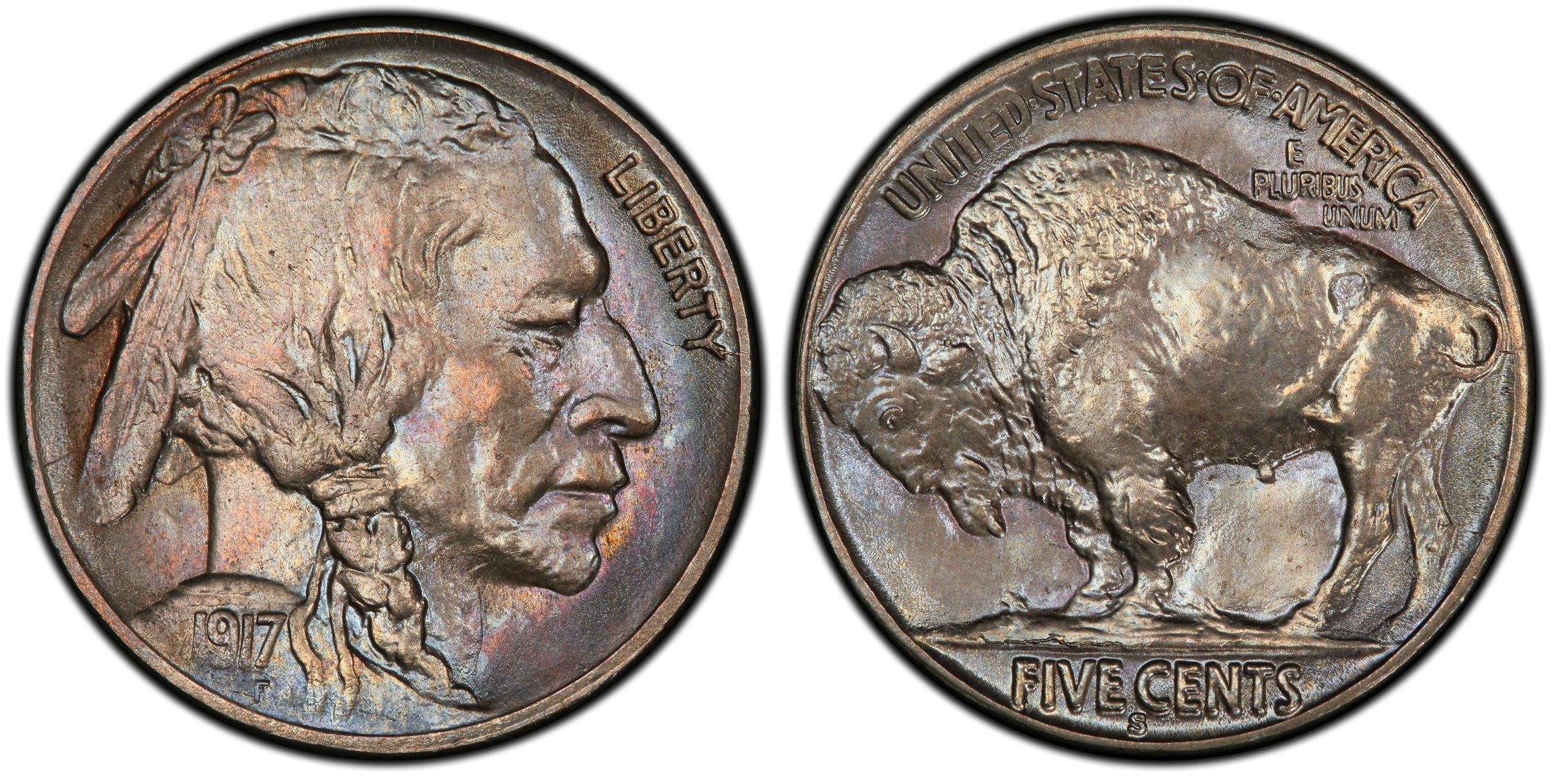
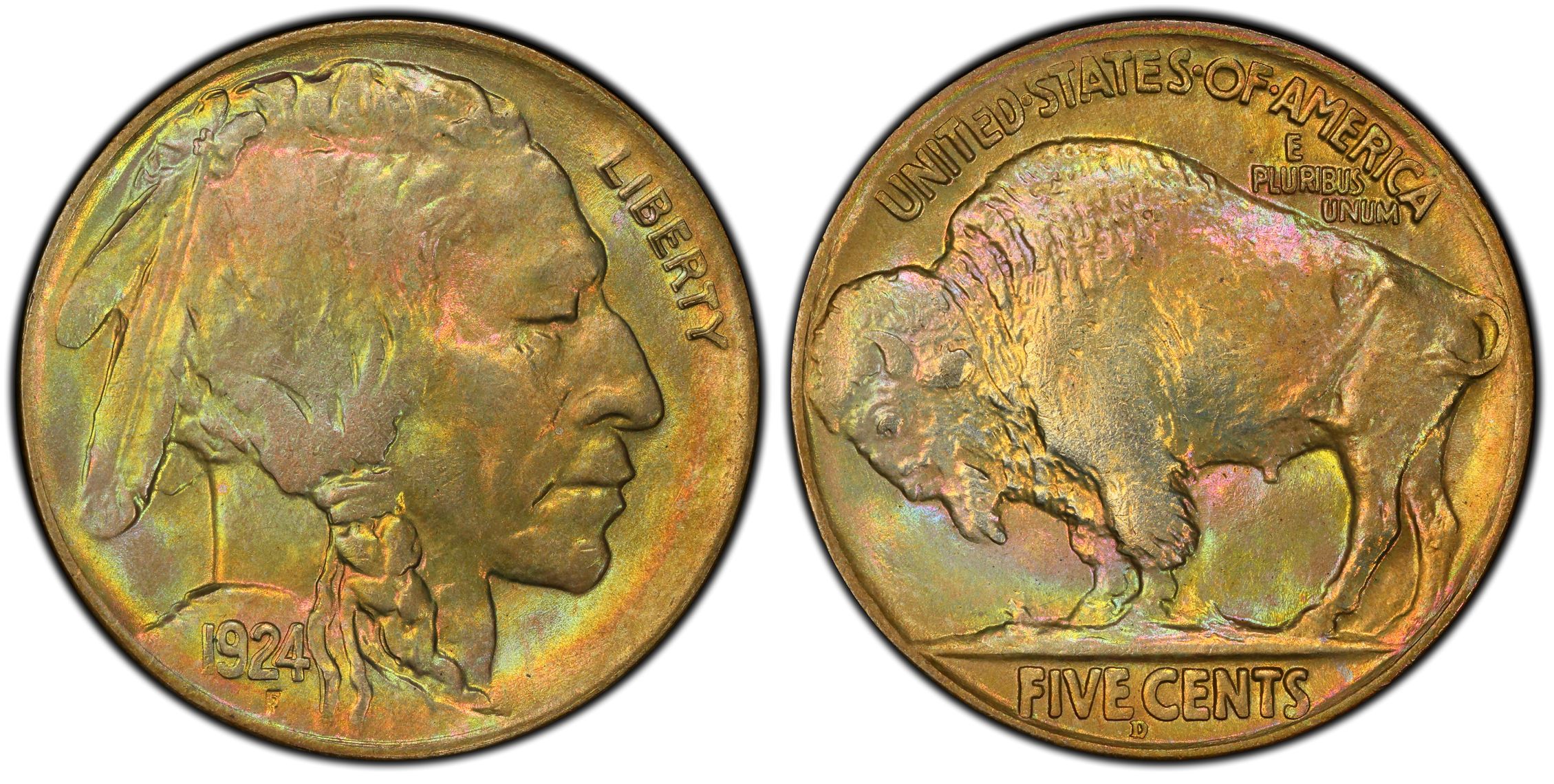
James Earle Fraser's iconic Buffalo Nickel design featured a Native American profile and American bison, becoming one of America's most beloved coins. These nickels worth money include numerous rarities like the 1918/7-D overdate ($350,750), 1926-S ($322,000), and the famous 1937-D Three-Legged variety ($99,875). Low mintage dates, particularly Denver and San Francisco issues from the 1920s, are highly sought after by collectors and command premium prices across all grades.
Jefferson Nickels (1938–Present)
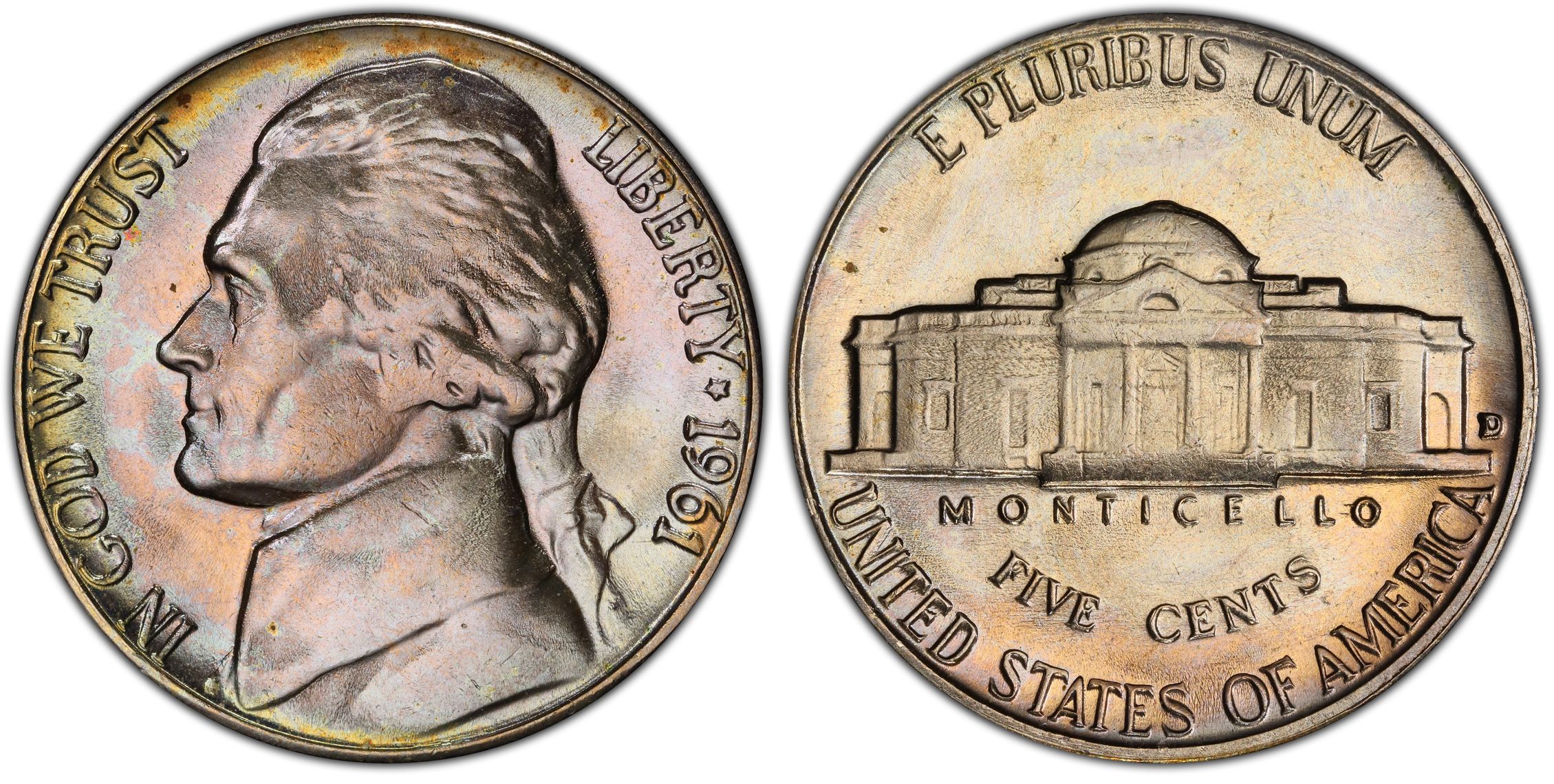
Felix Schlagnibbel's Jefferson Nickel design featuring Thomas Jefferson and Monticello has been in production since 1938 with few modifications. Wartime nickels (1942–1945) contain 35% silver and are popular with collectors. Key nickels worth money include the 1954-S, 1938-D, and 1950-D, along with rare error varieties like the 1942-D/D over horizontal D. Modern specimens with full step details on Monticello's stairs command significant premiums, especially in early dates.
Frequently Asked Questions About Nickels Worth Money
What nickels worth money should I look for in my collection?
The most valuable nickels worth money include the 1913 Liberty Nickel ($4.5+ million), 1918/7-D Buffalo Nickel ($350,750), 1926-S Buffalo Nickel ($322,000), and 1916 DDO Buffalo Nickel ($281,750). Other key dates include 1937-D Three-Legged Buffalo Nickel, early Shield Nickels from the 1860s-1880s, and rare proof coins. Focus on pre-1930 Buffalo nickels, particularly Denver and San Francisco mint marks, as these consistently command premium prices.
How can I identify nickels worth money in circulation?
To identify nickels worth money, check for key dates like 1913, 1918/7-D, 1926-S, and 1937-D. Look for mint marks (D, S) on Buffalo Nickels below FIVE CENTS and on Jefferson Nickels near the date. Examine for doubled dies, overdates, and errors. Check condition carefully as uncirculated examples are worth significantly more. Use magnification to inspect for the three-legged variety on 1937-D nickels and overdate errors on 1918/7-D pieces.
Why are Buffalo nickels worth money more than other types?
Buffalo nickels worth money are highly valued due to their short production run (1913-1938), artistic design, and numerous rare varieties. Low mintage dates, overdate errors, and the famous 1937-D Three-Legged variety make Buffalo nickels particularly desirable to collectors and investors. The design's tendency to wear quickly also makes high-grade specimens extremely scarce, with full horn details commanding substantial premiums across all dates.
What makes 1913 Liberty nickels worth money at such high values?
The 1913 Liberty Nickel is worth over $4 million because only five specimens exist. They were struck unofficially at the Philadelphia Mint after production had ended. This extreme rarity, combined with the mysterious circumstances of their creation, makes them the most valuable nickels worth money. Each of the five known coins has a documented pedigree and history, with specimens occasionally appearing at major auctions where they set record prices.
Are wartime nickels worth money to collectors today?
Wartime nickels worth money include 1942-1945 Jefferson Nickels with large mint marks above Monticello, containing 35% silver. While common dates are worth $1-2 for silver content, rare varieties like the 1942-D/D over horizontal D can reach $32,000+ in top condition. Full step examples and error varieties command significant premiums. These nickels are identifiable by their distinctive composition mark and darker coloration compared to regular Jefferson nickels.
Which Shield nickels worth money should collectors prioritize?
Shield nickels worth money include the 1880 ($198,995), 1867 ($132,250), 1879 ($86,250), and other early dates from 1866-1883. The 1883/2 overdate is particularly valuable at $60,000. Shield nickels were the first five-cent pieces made of nickel alloy. Low mintage years and proof specimens command exceptional prices. Focus on coins with strong strikes showing full shield details, as these early nickels often came weakly struck.
How do I determine if my old nickels worth money need professional grading?
Nickels worth money should be professionally graded if they're key dates, error coins, or in exceptional condition. Coins like pre-1930 Buffalo nickels, Shield nickels, rare dates, or anything potentially worth over $100 benefit from authentication by PCGS or NGC, which increases buyer confidence and value. Professional grading also protects against counterfeits and provides standardized condition assessment. The cost of grading (typically $30-100) is worthwhile for valuable specimens that could grade MS-65 or higher.
What Jefferson nickels worth money have the highest values?
Jefferson nickels worth money include the 1954-S ($35,250), 1938-D ($33,600), 1969-D ($33,600), and 1942-D/D over horizontal D ($32,200). Special mint set coins like the 1964 SMS ($32,900) and error varieties command premium prices among collectors. Full step designations (FS-5 or FS-6) dramatically increase values across all dates. Early dates (1938-1950) in gem uncirculated condition with complete Monticello step details are especially desirable.
Where can I sell my rare nickels worth money for top dollar?
To sell nickels worth money, consider major auction houses like Heritage Auctions or Stack's Bowers for high-value specimens. Certified coins can be sold through PCGS or NGC dealer networks. Local coin shops work for common dates, while online platforms like eBay suit mid-range nickels. Always get multiple appraisals for valuable pieces. For coins worth over $10,000, professional auction services typically provide the best exposure to serious collectors and investors willing to pay premium prices.
What condition factors affect nickels worth money the most?
Nickels worth money increase dramatically in value with better condition. Key factors include full horn detail on Buffalo nickels, complete step details on Jefferson nickels, original luster, absence of cleaning or damage, and eye appeal. The difference between Good and Mint State grades can mean thousands of dollars for rare dates. Strike quality matters significantly—fully struck specimens with complete design details command substantial premiums over weakly struck examples, even within the same numeric grade.
Summary: Finding Nickels Worth Money
Collecting nickels worth money offers exciting opportunities for both beginning and advanced numismatists. From legendary rarities like the 1913 Liberty Nickel to more accessible key dates such as 1950-D Jefferson nickels, valuable five-cent pieces span over 150 years of American coinage history. By understanding which dates, mint marks, and varieties to look for—particularly rare Buffalo nickels, early Shield nickels, and error coins—collectors can potentially discover significant treasures in inherited collections or even pocket change. Whether building a comprehensive type set or specializing in specific series, nickels worth money represent an affordable yet rewarding area of coin collecting with strong market demand and appreciation potential.